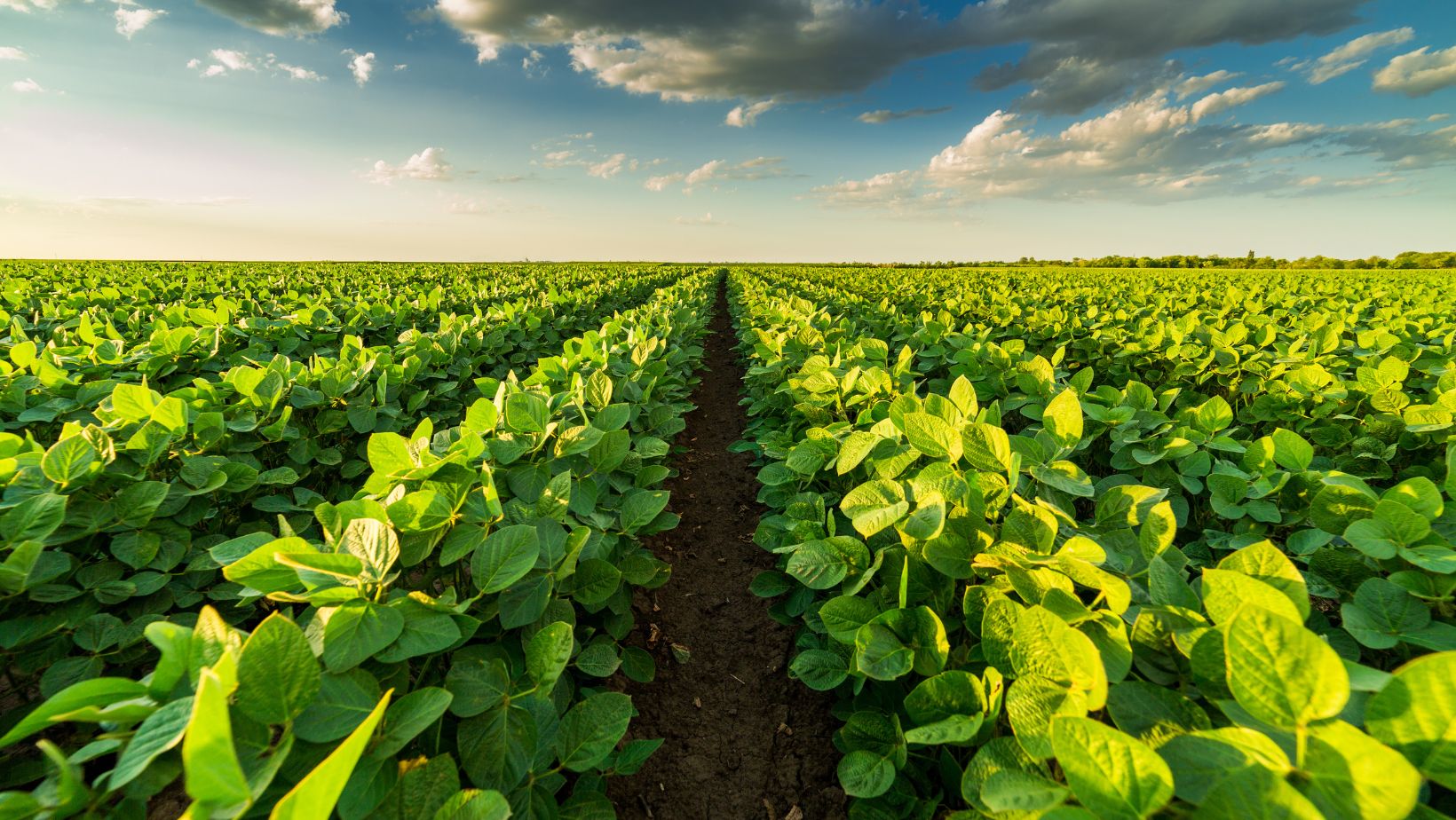
As modern farming practices evolve the debate between regenerative agriculture and sustainable agriculture continues to spark discussions among farmers environmentalists and consumers. While both approaches aim to protect our planet’s resources they differ significantly in their methods and ultimate goals.
Sustainable agriculture focuses on maintaining current environmental conditions and reducing negative impacts on ecosystems. In contrast regenerative agriculture takes things a step further by actively working to improve soil health increase biodiversity and enhance ecosystem services. This forward-thinking approach doesn’t just sustain – it aims to heal and revitalize damaged landscapes while producing nutritious food.
Understanding these two agricultural approaches has become increasingly important as the world grapples with climate change food security and environmental degradation. The choice between sustainable and regenerative farming methods can significantly impact our planet’s future and the quality of food we produce.
Regenerative Agriculture vs Sustainable Agriculture
Regenerative and sustainable agriculture represent two distinct approaches to environmentally conscious farming practices. Each system follows specific principles and emerged from different historical contexts to address environmental challenges in agriculture.
Key Principles and Goals
Sustainable agriculture focuses on maintaining current environmental conditions through these core practices:
- Conserving natural resources through efficient water management systems
- Implementing crop rotation patterns to preserve soil nutrients
- Reducing chemical inputs by 50-75% compared to conventional farming
- Integrating pest management strategies like beneficial insects
- Minimizing waste through composting materials
Regenerative agriculture emphasizes these restorative practices:
- Building organic matter in soil through cover cropping
- Increasing biodiversity with 3-5 different crop species per rotation
- Eliminating tillage to protect soil structure
- Managing livestock through planned grazing patterns
- Capturing carbon through deep-rooted perennial plants
Historical Development
The sustainable agriculture movement emerged in the 1960s in response to these events:
- Rachel Carson’s Silent Spring publication in 1962
- Growing awareness of pesticide impacts on ecosystems
- Formation of environmental protection agencies
- Development of organic certification standards
- Integration of conservation policies in farming
- Traditional indigenous farming practices pre-1900s
- Rodale Institute’s research on organic methods in 1947
- Development of Holistic Management in the 1970s
- Carbon farming initiatives in the 1990s
- Modern soil health movement starting in 2010
| Agricultural Approach | Year Emerged | Initial Focus | Modern Applications |
|---|---|---|---|
| Sustainable | 1960s | Resource Conservation | Environmental Protection |
| Regenerative | Pre-1900s | Soil Health | Ecosystem Restoration |
Core Practices of Sustainable Agriculture
 Sustainable agriculture focuses on implementing practices that maintain environmental stability while ensuring productive farming operations. These practices center on efficient resource use, environmental protection, and economic viability.
Resource Conservation Methods
Resource conservation in sustainable agriculture encompasses water management, soil preservation, and energy efficiency. Farmers implement drip irrigation systems reducing water usage by 30-50% compared to traditional sprinkler methods. Cover crops protect soil during off-seasons, preventing erosion and maintaining soil nutrients. Energy-efficient equipment, such as solar-powered irrigation pumps and LED grow lights, cuts fossil fuel consumption by 40-60%.
| Conservation Method | Resource Savings |
|---|---|
| Drip Irrigation | 30-50% water reduction |
| Energy-Efficient Equipment | 40-60% fuel reduction |
| Cover Crops | 85% soil retention |
Integrated Pest Management
Integrated Pest Management (IPM) combines biological pest control with targeted interventions to minimize chemical pesticide use. This approach includes:
- Monitoring pest populations through regular field scouting
- Using beneficial insects like ladybugs parasitic wasps to control harmful pests
- Rotating crops to disrupt pest life cycles
- Implementing physical barriers such as row covers netting
- Applying selective pesticides only when pest populations exceed economic thresholds
The IPM strategy reduces pesticide use by 50-70% while maintaining crop yields comparable to conventional farming methods. Farmers practicing IPM report 25-40% lower pest management costs compared to traditional chemical-intensive approaches.
Core Practices of Regenerative Agriculture
Regenerative agriculture uses specific techniques to restore ecosystem health while producing food. These practices focus on rebuilding soil organic matter enhancing biodiversity through integrated farming methods.
Soil Health and Carbon Sequestration
Soil health management in regenerative agriculture centers on building carbon-rich soil through specific techniques. No-till farming preserves soil structure while reducing carbon emissions by 30-50% compared to conventional tilling. Cover crops, including legumes clover buckwheat, increase organic matter by 3-7% annually when maintained year-round. Compost applications add beneficial microorganisms that improve nutrient cycling by 40-60%.
| Soil Practice | Environmental Impact |
|---|---|
| No-till farming | 30-50% carbon emission reduction |
| Cover crops | 3-7% annual organic matter increase |
| Compost application | 40-60% improved nutrient cycling |
Biodiversity Enhancement
Regenerative farmers create diverse ecosystems through strategic planting combinations intercropping methods. Polyculture systems grow 3-5 complementary crops together increasing yields by 20-60% compared to monocultures. Habitat corridors between fields support beneficial insects birds pollinators increasing natural pest control by 45-70%. Integration of flowering plants herbs creates microhabitats that boost beneficial insect populations by 80-120%.
| Biodiversity Practice | Productivity Impact |
|---|---|
| Polyculture systems | 20-60% yield increase |
| Habitat corridors | 45-70% natural pest control |
| Flowering plants integration | 80-120% beneficial insect increase |
Environmental Impact Comparison
Environmental impact assessments reveal distinct differences between regenerative and sustainable agriculture in their effects on ecosystems and climate change mitigation.
Carbon Footprint Analysis
Regenerative agriculture demonstrates superior carbon sequestration capabilities compared to sustainable agriculture practices. No-till farming combined with cover cropping in regenerative systems sequesters 2-3 tons of carbon per acre annually, while sustainable agriculture’s reduced tillage methods sequester 0.5-1 ton per acre. Regenerative practices decrease greenhouse gas emissions by:
- Eliminating synthetic fertilizers, reducing nitrous oxide emissions by 85%
- Incorporating deep-rooted perennials that store 40% more carbon than annual crops
- Maintaining living roots year-round, increasing soil organic carbon by 12-15% annually
- Using composting systems that reduce methane emissions by 65% compared to conventional waste management
Ecosystem Benefits
The ecosystem impacts of both agricultural approaches show measurable differences in biodiversity and soil health metrics:
| Metric | Regenerative Agriculture | Sustainable Agriculture |
|---|---|---|
| Soil Organic Matter | +8-12% annually | +2-4% annually |
| Water Retention | 40% increase | 20% increase |
| Beneficial Insect Species | 120+ species per acre | 60-80 species per acre |
| Native Plant Diversity | 25-30 species per field | 10-15 species per field |
- Supporting 45% more pollinators through diverse flowering crops
- Increasing earthworm populations by 400% through no-till practices
- Reducing soil erosion by 90% through continuous ground cover
- Enhancing mycorrhizal fungi networks by 60% through minimal soil disturbance
Economic Considerations for Farmers
The economic implications of regenerative and sustainable agriculture practices impact initial investments, operational costs, and long-term profitability. Financial outcomes vary based on farm size, location, and chosen practices.
Implementation Costs
Initial costs for sustainable agriculture practices include irrigation system upgrades ($500-1,500 per acre), certified organic certification ($700-1,200 annually), and specialized equipment modifications ($15,000-30,000). Regenerative agriculture requires investments in soil testing ($200-400 per field), cover crop seeds ($30-50 per acre), and compost infrastructure ($5,000-15,000). The transition period lasts 3-5 years, during which yields may temporarily decrease by 10-15%.
| Implementation Cost Category | Sustainable Agriculture | Regenerative Agriculture |
|---|---|---|
| Initial Equipment | $15,000-30,000 | $8,000-20,000 |
| Annual Certification | $700-1,200 | Not required |
| Per Acre Costs | $500-1,500 | $230-450 |
Long-term Profitability
Regenerative agriculture demonstrates higher profit margins after the transition period, with 20-40% reduced input costs through eliminated synthetic fertilizers and pesticides. Operating costs decrease by 25-35% after year three of implementation. Sustainable agriculture operations show steady returns with 15-25% lower input costs compared to conventional farming, primarily through efficient resource management systems.
| Profitability Metrics | Sustainable Agriculture | Regenerative Agriculture |
|---|---|---|
| Input Cost Reduction | 15-25% | 20-40% |
| Operating Cost Savings | 10-20% | 25-35% |
| Premium Product Pricing | 10-30% higher | 15-45% higher |
| Yield Stability | +/- 5% annually | +/- 3% annually |
Future of Agricultural Systems
Agricultural systems face transformative changes driven by environmental challenges climate pressures. The integration of regenerative sustainable practices shapes modern farming’s evolution through technological innovation market demands.
Market Trends and Consumer Demand
Consumer demand for environmentally responsible food products drives agricultural transformation. Market research indicates a 45% increase in organic regenerative product sales from 2019-2022 with premium prices 25-35% higher than conventional products. E-commerce platforms specializing in regenerative products report 85% year-over-year growth while major retailers expand shelf space for sustainably certified items by 40%. Direct-to-consumer sales from regenerative farms increased 120% during 2020-2022 through community-supported agriculture programs farmers’ markets.
Policy Support and Incentives
Government policies create financial frameworks supporting agricultural transitions. The USDA offers carbon credit programs paying farmers $10-45 per acre for verified carbon sequestration practices. State-level initiatives provide tax credits covering 30-75% of conservation equipment costs regenerative certification expenses. International agreements establish carbon markets valuing agricultural carbon credits at $15-30 per metric ton. Grant programs fund:
- Soil health improvements through $5000-25000 matching grants
- Water conservation projects with 50% cost-share incentives
- Biodiversity enhancement receiving $200-500 per acre annually
- Technical assistance programs covering 80% of consulting costs
- Research funding pools allocating $50-250 million for regenerative studies
These trends incentivize farmers to adopt regenerative practices while creating market opportunities for sustainable agriculture products. Policy frameworks establish economic mechanisms supporting long-term agricultural transformation through targeted financial support verification systems.
Shaping the Food System’s Future
The choice between regenerative and sustainable agriculture represents a pivotal decision in shaping our food system’s future. While both approaches offer valuable solutions sustainable agriculture maintains current environmental conditions through efficient resource management. Regenerative agriculture takes a more ambitious path by actively restoring ecosystem health and enhancing biodiversity.
The data clearly shows regenerative agriculture’s superior performance in carbon sequestration soil health improvement and long-term economic benefits. With growing consumer demand rising product sales and increasing policy support regenerative practices are gaining momentum as a transformative solution for modern agriculture’s challenges.
Agricultural systems must evolve to meet the demands of a changing climate and growing population. Regenerative agriculture emerges as a promising path forward combining traditional wisdom with modern science to create resilient food systems that benefit both people and the planet.